
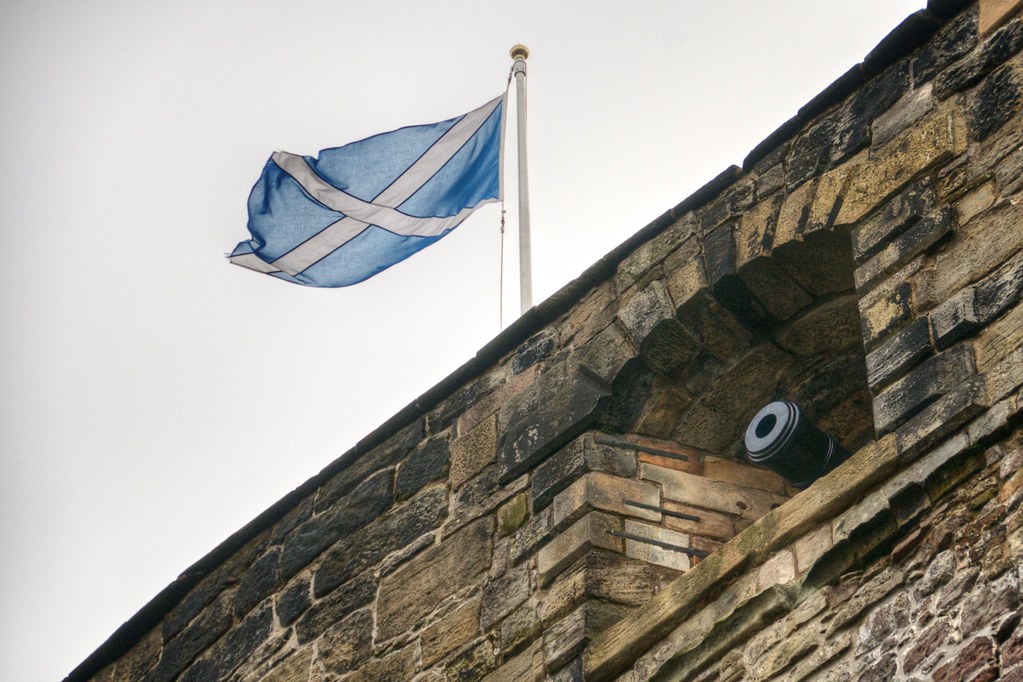
Some thoughts on democracy, that are coming to my mind as a new referendum on Scottish independency, and a bit later possibly one about Catalunya’s might be on the horizon.
Whilst for bread & butter legislation, representative democracy seems to be a good idea, I do believe that major and highly consequential decisions should actually be decided by a referendum.
I am thinking of decisions that will invariably change a country’s destiny at least for decades, like the independence of territories, the joining or leaving certain organizations, e.g. EU and NATO or fundamental constitutional changes.
However: I do believe that such important decisions need a solid majority to go ahead or to be fully rejected.
There are core beliefs in societies which change slowly over time and there are mood swings. We know from changing poll results that many voters are not firmly convinced of one opinion or the other, and are likely to be swayed by charismatic leaders, propaganda, fears or current events into one direction or the other.
Therefore, in matters of utmost importance, I’d say a generous margin of error has to be taken into account, I’d say 10% in either direction. I consider a 60:40 vote a solid majority and one can trust to be expressing the electorate’s true intention.
A 52:48 vote is basically a coin toss with a random outcome and the decision in question should be tabled to be repeated in, say, 5 years.
If such a mechanism would have been applied for Brexit, it would likely had been avoided and as for the 2014 vote for scottish independence, Scots would have had the chance to vote again in 2019 and (maybe) 2024.
What do you think?
Would you rather seek a slim victory for your cause, with many people not truly convinced or would you rather take the chance to try again a few years later, and maybe lose momentum?
I personally find it very odd that this matter is never discussed when it comes to plebiscites where always 50% + 1 is seen as the ultimate expression of the people’s will.
In my opinion, near random decisions are not democratic.




Leave a Reply